





therapyforwomencenter.com
Therapy for Women


Perinatal Mental Health Therapy
Perinatal mental health isn’t just about postpartum depression. It’s about navigating the emotional challenges that come along with the full experience from conception to pregnancy, birth, and early motherhood. Our team of compassionate therapists who specialize in PMADs (Perinatal Mood and Anxiety Disorders) provide support with talk therapy (including ACT), Exposure & Response Therapy, and EMDR. We’ll work through issues such as the baby blues, postpartum anxiety and depression, OCD, birth trauma, and more motherhood-related concerns.
Get StartedHormones shape so much more than we’re often told.
The path to and through motherhood comes with some of the most dramatic hormonal shifts of your life. Estrogen, progesterone, and other key hormones surge and drop in ways that affect your sleep, mood, energy, and sense of self. These changes are real and biological, and they often interact with the emotional weight of family planning, pregnancy, and parenthood in ways that can feel disorienting. Whether you’re trying to conceive, navigating a fertility journey, already pregnant, or postpartum, we’re here to support you every step of the way.
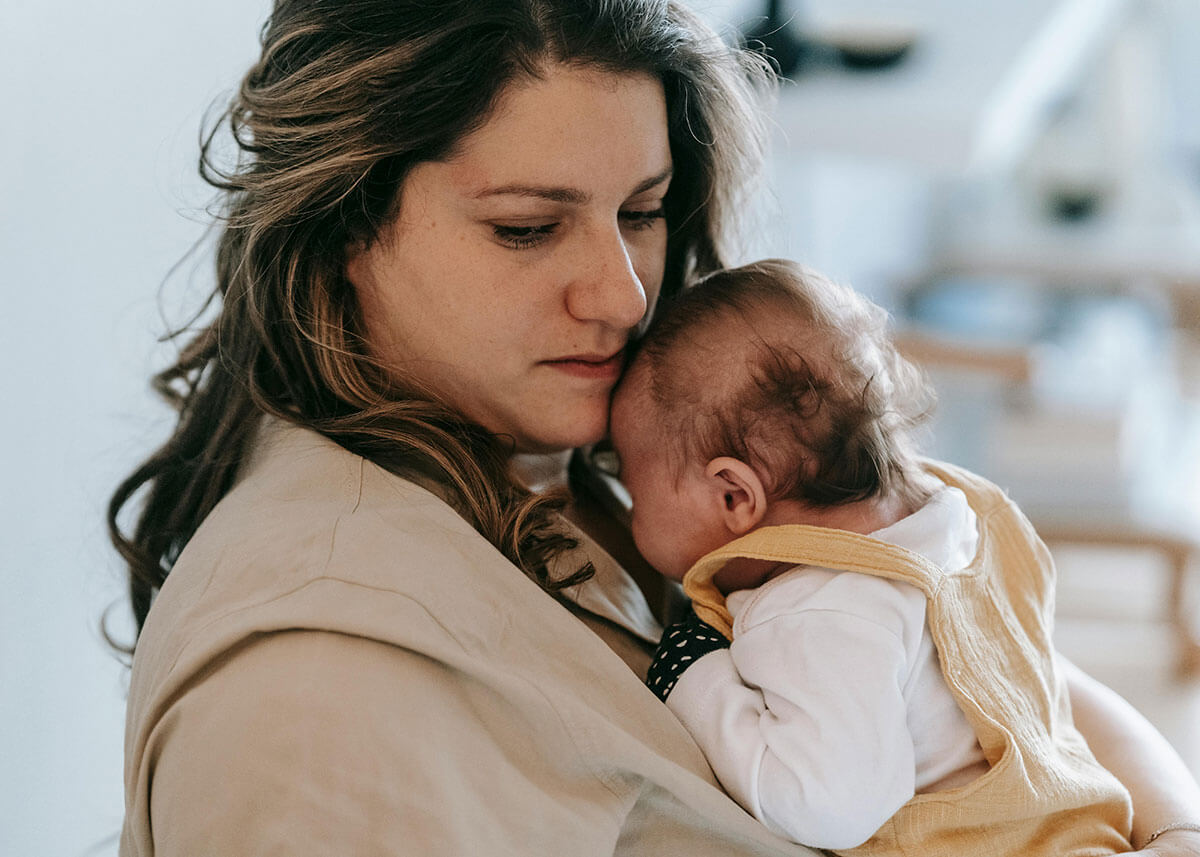
For many women, the emotional weight starts well before a positive pregnancy test.
Trying to conceive, navigating fertility challenges, or grieving a loss can take a toll that’s often invisible to the people around you. Pregnancy itself can stir up just as much: hope, fear, conflict with a partner, pressure from family, and the cultural expectation to feel grateful. And many times, birth doesn’t go as planned and can lead to birth trauma.
Roughly 1 in 5 women develop PMADs (Perinatal Mood and Anxiety Disorders), an umbrella term for the mental health conditions that can show up during pregnancy or in the year after birth. Most of us have heard about postpartum depression, but it’s very common for women to struggle during pregnancy too. Anxiety, depression, intrusive thoughts, and disconnection can all surface in the months leading up to birth, and they’re often missed or written off as “just pregnancy hormones.”
After birth, mental health can get confusing because there’s so much overlap between what’s expected and what’s a sign to reach out. The baby blues affect up to 80% of new mothers. Postpartum depression lasts longer, showing up as sadness, numbness, or disconnection from your baby. Postpartum anxiety can look like racing thoughts and constant worry about the baby’s safety, even when baby is sleeping. Postpartum OCD involves intrusive thoughts about harm coming to the baby, sometimes paired with compulsions. And even without a clinical diagnosis, early motherhood itself can be a lot: identity shifts, sleep deprivation, isolation, and the mental load all add up.
Get StartedWhat to expect in perinatal mental health therapy
When you start therapy with us, we begin with where you are. Your therapist will take time to understand what you’re experiencing, what stage you’re in, and what’s making this season hard. We also understand that perinatal care often needs to flex around childcare, recovery, and exhaustion.
From there, sessions are tailored to you. That might mean working through intrusive thoughts, processing a difficult pregnancy or birth experience, navigating identity shifts and the mental load of motherhood, or building tools to recognize what’s a hormonal wave, what’s a warning sign, and what deserves more support. If medication is something you want to explore, your therapist can coordinate with our in-house psychiatry team.
We tailor treatment to your needs and draw from a range of evidence-based approaches. The most common modalities used in perinatal mental health work include:
ACCEPTANCE AND COMMITMENT THERAPY (ACT): Helps you make room for the hard emotions that can come with pregnancy and postpartum, while reconnecting with your values and the kind of mother and person you want to be. ACT is especially useful for navigating identity shifts and the gap between expectation and reality.
EXPOSURE AND RESPONSE PREVENTION (ERP): The gold-standard treatment for OCD, including perinatal OCD. ERP helps you respond to intrusive thoughts without getting pulled into compulsions or avoidance, so the thoughts lose their grip.
EMDR: A trauma-focused approach that can be especially helpful for processing birth trauma, pregnancy loss, or fertility-related grief.
Get StartedPerinatal Mental Health Resources



Frequently Asked Questions
Some level of emotional intensity is expected. Your body, hormones, and life are all shifting at once. But persistent anxiety, sadness, intrusive thoughts, or feeling disconnected from yourself or your baby are not things you have to push through alone. PMADs are common and highly treatable, and reaching out is a sign of strength.
No. Intrusive thoughts about harm coming to your baby are a known symptom of perinatal OCD and anxiety, and they happen to many new parents. The thoughts feel awful precisely because they go against everything you want for your child. A therapist trained in perinatal mental health can help you understand what’s happening and treat it effectively.
The baby blues typically bring tearfulness, mood swings, and overwhelm in the first two weeks after birth, and they pass on their own for most new mothers. Postpartum depression lasts longer and doesn’t lift with rest or time alone. If you’re past those first couple of weeks and still feel like yourself is missing, that’s worth talking about.
You can absolutely start during pregnancy, and many of our clients do. Building a relationship with a therapist before birth means you already have support in place when postpartum hits. It’s also never too late. Whether you’re trying to conceive, six weeks postpartum, or two years in, it’s a good time to start.
Yes. We offer online therapy in 43 states, which makes it easier to keep appointments during nap times, while nursing, or on days when getting out the door feels impossible.
We have an in-house psychiatry team that specializes in working with women, including during pregnancy and postpartum. Your therapist can coordinate with our psychiatrists if medication is something you want to explore.
Our specialty is women’s mental health, and perinatal mental health affects partners and families too. If you’re interested in couples support during this season, we offer couples therapy as well.
Get mental health support for every step of your motherhood journey.
From family planning to pregnancy and those first stages of motherhood, we’re here to help strengthen your perinatal mental health, so you and your baby can thrive.
Get StartedMeet Our Perinatal Mental Health Therapists


Fernanda Valentin, LMFT Clinical Coordinator of Old City Office
Pennsylvania, New Jersey & Florida

Valerie Rivera, LPC Can conduct sessions in Spanish!
Pennsylvania

Erika Pranzo, LPC New Jersey, Pennsylvania, Texas
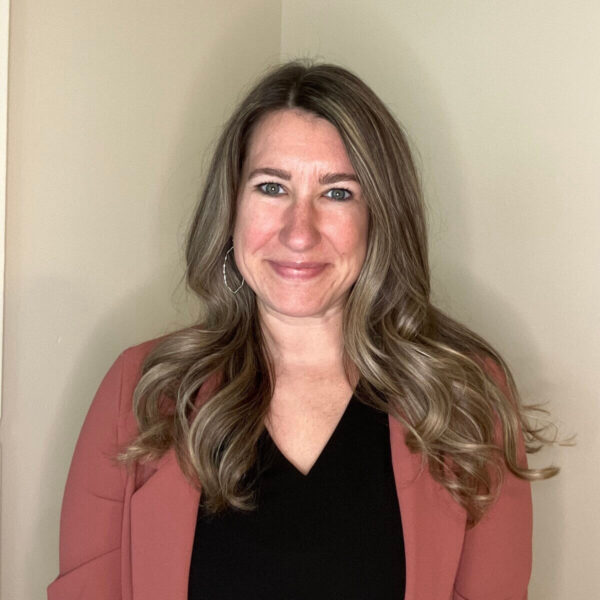
Julia Johnston, LPCC, LICDC Ohio, Georgia, Minnesota, Florida

Beth Krieger, LAMFT Pennsylvania

Jules Choe-Castillo, LSW Pennsylvania

Megan Gaughan, LPC Pennsylvania
Kind Words From Real Patients

Visit us in Philly, the Main Line, Collingswood, or virtually in 43 states!
Click here to get started
About Therapy for Women
Therapy for Women is a clinician-founded practice offering therapy, psychiatry, and nutrition built around the female experience. Serving Philadelphia, South Jersey and 43 states online.

Services
Locations


Back to Top
© THERAPY FOR WOMEN CENTER 2026 • ALL RIGHTS RESERVED • ACCESSIBILITY