

Eating Disorder Therapy
At Therapy for Women we treat a wide variety of eating and body image related struggles. Whether you are struggling with an eating disorder, (such as Bulimia, Anorexia, Orthorexia, Binge Eating Disorder), or looking to make peace with food and your body, our specialized therapists are here to help. We offer size-inclusive, non-diet therapy rooted in Health at Every Size, so you can stop battling with food and start living your life fully!
Get StartedDo you want to form a healthier relationship with food, weight, and your body?
Maybe you wake up thinking about food and fretting about what you’ll eat each day. Perhaps you struggle to get dressed because none of your clothes fit the way you want them to and you can’t stop agonizing over your body in the mirror. Eating disorders can manifest in very different ways, but no matter what you’re going through, therapy can help you build a better relationship with yourself. If you find yourself obsessing over food, weight, or your body image, it may be time to book a therapist with experience supporting women with disordered eating.

What is eating disorder therapy?
Eating disorder therapy is specialized treatment for the thoughts, behaviors, and feelings that keep you locked into a painful relationship with food and your body. It isn’t general talk therapy with food added as a topic, and that distinction turns out to matter enormously, because most therapists receive very little training in eating disorders. It’s the reason so many women spend years in therapy that helps with everything except this.
Our practice was founded by Amanda White, LPC, who struggled with an eating disorder and substance use before she became a therapist and built Therapy for Women around what she wished had existed for her.
Our therapy team includes AJ Sarbaugh, LMFT, CEDS, who holds the field’s highest certification as a certified eating disorder specialist, along with a registered dietitian and psychiatric prescribers.
We don’t believe in food rules, or trying to change your body. We’re non-diet and size-inclusive, and our starting assumption is that your eating disorder has been solving a real problem for you. Treatment means understanding what that problem is and building something that works better.
Get StartedWhat does disordered eating actually look like?
Most women arrive without a diagnosis, and describe what they’re doing rather than what it’s called. These are the patterns we see most:
Restriction. Eating less, cutting out whole categories of food, building rules that have quietly tightened over the years. Diet culture applauds most of this, which is exactly why it can run for a decade before anyone including you calls it a problem. You cannot tell by looking at someone whether she’s restricting.
Bingeing. Eating past the point you meant to, often alone, with a loss of control that feels nothing like a choice and a wave of shame afterward that feels like proof of something about your character. It usually isn’t about willpower. More often it’s what happens downstream of restriction.
Purging and compensating. Anything you do afterward to undo what you ate. These behaviors persist because they work in the short term, which is what makes them so hard to put down without support.
Compulsive exercise. Movement that stopped being enjoyable and became an obligation. If skipping a workout ruins your day, or if what you eat depends on whether you exercised, that relationship is worth looking at.
Body image distress. The checking, the comparing, the photos you delete, the running commentary. Sometimes this is the whole thing, without any disordered eating attached to it at all.
Here is one number worth holding onto: fewer than 6% of people with eating disorders are medically underweight. You don’t have to look ill to be ill, and you don’t have to hit a threshold to deserve care.
Get StartedTypes of Eating Disorders We Treat
Our eating disorder therapy covers the full range of diagnoses, plus everything that never gets one.
Anorexia nervosa. Restriction, fear of weight gain, and a body image that doesn’t match what anyone else sees.
Atypical anorexia. The same symptoms and the same medical danger, without the weight loss that makes clinicians take it seriously. Women with atypical anorexia are frequently congratulated for the behaviors that are hurting them.
Bulimia nervosa. A cycle that’s exhausting to live inside and harder still to say out loud. Bulimia runs on secrecy, so treatment starts with somewhere safe to break it.
Binge eating disorder. The most common eating disorder there is, and the one most likely to be met with diet advice instead of actual treatment.
Orthorexia. When eating “clean” stops being a preference and starts running your calendar, your social life, and your sense of whether you’re a good person.
ARFID. Avoidant restrictive food intake disorder has nothing to do with body image. It’s driven by texture, by fear of choking or being sick, or by a genuine absence of interest in eating, and adults have it too.
OSFED. Serious eating disorders that don’t sort neatly into another category. This is not a lesser diagnosis, and it’s a common one.
Body dysmorphia. Preoccupation with a perceived flaw that other people can’t see, which often travels alongside disordered eating and sometimes arrives on its own.
Chronic dieting. If you’re sick of years of tracking, failing and starting again on Monday, or wondering about if your GLP1 use is healthy, we can help!
Get StartedWhy Eating Disorders Get Missed in Women
Our culture treats body size as a proxy for health and rewards women for discipline, restraint, and taking up less room.
 So the behaviors that would concern a specialist get read by everyone else as impressive. Your doctor congratulates you at your physical. A colleague asks what you’re doing. Nobody thinks to ask whether you’re alright, and after a while, neither do you.
There’s a second layer for women who are managing everything well. If you’re still hitting deadlines, still showing up, still the person everyone relies on, it’s very hard for anyone around you to believe something is wrong, and very easy for you to conclude that you’re fine and just need more discipline. That gap between how you’re functioning and how you’re feeling can hold an eating disorder in place for years, and it’s a large part of why women put off eating disorder therapy for so long.
None of this is a character flaw or a failure of willpower. It’s what happens when a real vulnerability meets a culture built to exploit it.
How Does Eating Disorder Therapy Work?
Eating disorder therapy here starts by figuring out what the eating disorder has been doing for you, then works on that and the behaviors keeping it running at the same time. Treatment is tailored to you, and we draw on several evidence-based approaches:
CBT-E is the leading outpatient protocol for eating disorders across diagnoses. It targets the mechanism underneath most of them, which is the overvaluation of weight and shape as a measure of your worth.
DBT builds distress tolerance and emotion regulation, which is what you need in the moment an urge arrives and you want to get through it rather than act on it.
ACT reconnects you with what you actually care about. Eating disorders narrow a life down to food and body, and this is how the rest of it comes back.
ERP addresses fear foods and food-related anxiety, gradually and at a pace you set.
EMDR matters because eating disorders and trauma travel together more often than not. Where there’s trauma underneath, treating only the eating rarely holds.
Health at Every Size and intuitive eating run through all of it. Our aim is to get you off the cycle of dieting, failing, and starting over, not to add one more set of rules to it.
Find an Eating Disorder SpecialistMeet Our Eating Disorder Therapists

Gabrielle Salomone, LCSW

Lauren Berardo, LCSW Clinical Coordinator of Main Line Office
Pennsylvania
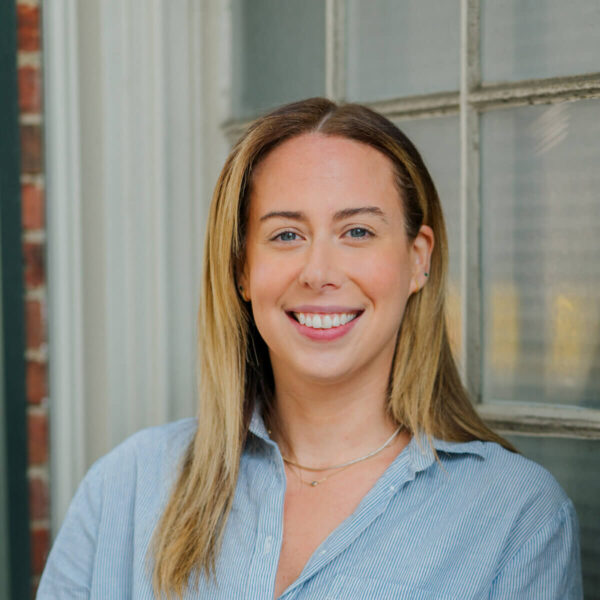
Arielle Cosgrove, LCSW Internship Director
Pennsylvania, New Jersey & Deleware
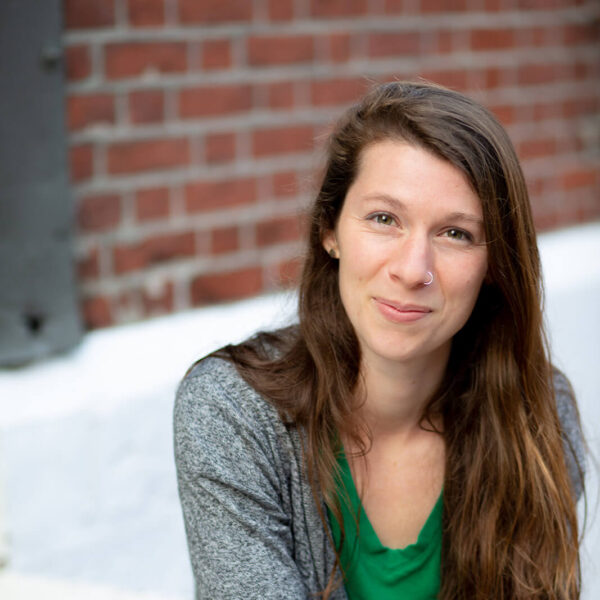
Hannah McGrath, MDiv, LPC Pennsylvania, New Jersey & Florida
AJ Sarbaugh, LMFT, CEDS Clinical Coordinator of Virtual Office
California, Texas, & Colorado

Erika Pranzo, LPC New Jersey, Pennsylvania, Texas
Dr. Kelly Bradley, PsyD, HSPP Licensed Clinical Psychologist
40 states
Chris Turpyn, LPC NJ, CO, MO, FL, SC, NC, VT
Mary Dever, LSW Pennsylvania & New Jersey
Sanvi Beri, LPCC California
Medication and Psychiatry for Eating Disorders
Eating disorders rarely arrive alone. Anxiety, depression, and OCD show up alongside them constantly, and treating those often makes eating disorder therapy more effective.
Our board-certified psychiatrist and psychiatric nurse practitioners see clients at our offices and online, and they take a less-is-more approach, which in practice means they’ll walk you through your options rather than push a prescription at you. Some women never need medication at all. For others it turns the volume down enough that therapy can finally get traction. Either way, your whole team is in the same building and talking to each other.
Get StartedFrequently Asked Questions
No, we won’t. Our practice is size-inclusive, which means we welcome people of all body shapes and sizes. We don’t believe that health is correlated with weight, and that’s why we are much more interested in assisting you with your mental health issues than we are with a number on a scale.
Most therapists receive very little training on eating disorders, which is why seeing the right specialist makes such a huge difference. Our practice has decades of experience helping people work through eating disorders. We are trained in a wide variety of techniques and will give you the skills to create real and lasting change in your life. We provide non-diet therapy using a Health at Every Size approach.
Of course! You don’t need to have an official diagnosis to seek counseling for eating disorders. Whether you’re a chronic dieter or you simply want to have a better relationship with food and your body, we would be honored to help you address your needs and fulfill your goals.
We’re an out-of-network provider, so payment is due at the time of your session and we give you a superbill to submit for reimbursement. Depending on your out-of-network benefits, many of our clients get a meaningful portion back. Before you start, it’s worth calling your insurance to ask about your out-of-network mental health coverage and your deductible. You can find our current rates on our rates page.
Therapy with us doesn’t come with food rules. We’re a non-diet, Health at Every Size practice, so our goal is to help you build trust with your body rather than hand you another set of restrictions. If nutrition support would help your recovery, our in-house registered dietitian works with you individually using the same non-diet approach, and she coordinates directly with your therapist. Support, not rules.
Yes. Several of our therapists specialize in working with teens, and we know how early body image struggles can start, especially for girls growing up online. We involve parents in age-appropriate ways, so you’ll understand how to support your daughter without becoming the food police. If you’re a parent who’s worried, reaching out for a consultation is a loving place to start.
Yes. Our therapists are licensed in 43 states, so you can work with an eating disorder specialist virtually from wherever you live. Online therapy works well for many people at the outpatient level, and it means you keep your same therapist if you move or travel. If you’re local, you’re also welcome at any of our offices in Philadelphia, Bala Cynwyd, or Collingswood.
There’s no universal timeline, and anyone who promises one isn’t being straight with you. Recovery isn’t linear: many people notice their relationship with food starting to soften within a few months of consistent therapy, while deeper body image work often takes longer. What we can tell you is that full recovery is genuinely possible, and research on treatment outcomes backs that up. You won’t feel this way forever, even if it’s hard to imagine that right now.
Not on its own, no. What matters is the relationship, not the amount. If missing a workout ruins your day, if you adjust what you eat based on whether you exercised, or if movement has stopped being something you enjoy and become something you owe, those are worth talking through with someone. Compulsive exercise is one of the most socially rewarded eating disorder behaviors, which is exactly why it goes unaddressed for so long.
Yes. Our Collingswood office is a few minutes from Philadelphia across the bridge, and several of our eating disorder therapists are licensed in New Jersey for both in-person and virtual sessions.
Nutrition Counseling and Support with Food
She/Her
Eating disorder therapy is where you understand the eating disorder, and meals are where the actual work happens. That’s why we keep a dietitian in-house rather than referring out and hoping the two halves connect.
Tracey Stassi, MHSC, RD, LDN trained at The Renfrew Center and works from the same non-diet, Health at Every Size approach the rest of us do. She doesn’t write meal plans or hand out rules. Her job is helping you rebuild trust in your own hunger, which is usually both the scariest part of recovery and the part that makes everything else possible. Because she works here, she and your therapist talk directly, so you won’t repeat your history twice or get contradictory advice from two people who’ve never met. Learn more about nutrition counseling.
Do You Need Outpatient Eating Disorder Therapy or a Higher Level of Care?
This is the question most women are actually asking when they start searching, and it deserves a straight answer rather than a sales pitch.
Weekly outpatient eating disorder therapy, paired with nutrition and psychiatric support, is the right level of care for a large share of recovery. It’s what we do, and for most of the women who come to us, it’s enough. But some people need more structure than one hour a week can provide, at least to begin with. Intensive outpatient and partial hospitalization programs offer several hours of programming most days, including supported meals. Residential care exists for situations where medical stability comes first.
Part of our job in your first few sessions is to assess this honestly with you, and if a higher level of care would serve you better, we’ll say so and help you find one. We’ll also be here for the outpatient work when you step back down, which is the point most people relapse and the point most programs hand you off. We have no beds to fill, so our recommendation about what you need costs us nothing to give you straight.
Get StartedEating Disorder Resources


Kind Words From Real Patients