



LGBTQ+ Therapy
Individuals who are part of the LGBTQ+ face more stigma and discrimination than other populations, which can cause them to struggle with their mental health. Many of our LGBTQ+ therapists are part of the community personally in addition to being experts in the field. We look forward to providing the support you need!
Get StartedAre you an LGBTQ+ person struggling with your mental health?
- Do you wish you had someone in your life that truly understood what it’s like to be LGBTQ+?
- Have you found yourself questioning your sexual orientation or gender identity?
- Are depression, anxiety, or other mental health issues impacting your ability to be your best self?
Maybe you’re a high-functioning individual, but deep down you feel low, unmotivated, and afraid of what the future holds. Perhaps you have family members who don’t accept you for who you are or understand the challenges unique to your identity. You might be struggling to come out or come to terms with your sexual identity. Additionally, you may have absorbed hostile messages from society and found yourself dealing with internalized homophobia and transphobia. For the first time, maybe you’re considering seeing a therapist who works with LGBTQ+ folx.
Your relationships may not be where you want them to be.

Perhaps you have trouble feeling safe in your relationships because of ways that you were hurt in the past. Or maybe you’re struggling to navigate LGBTQ+ relationships because you’ve never been taught how to do so and you didn’t grow up with such relationships modeled for you. If you’re polyamorous or into kink, you might have a tough time finding people who understand your relationships and relate to your wants and needs. Perhaps you’ve had therapists in the past who simply didn’t get it or weren’t helpful when it came to the challenges of being LGBTQ+.
If this is the case, we encourage you to pursue counseling with us. Here at the Therapy for Women Center, we have skilled, affirming LGBTQ+ counselors who are experienced in the unique hardships that transgender and other LGBTQ+ people face. We also work with parents of LGBTQ+ children and help them learn how to best support their kids.
LGBTQ+ folx are growing up in an increasingly hostile world.
Although it is becoming more accepted to be LGBTQIA and the world has made progress, in recent years there have been increasing attacks on the community. Between anti-LGBTQIA legislation and violence and bigotry against trans folx, many people in the community are struggling. Furthermore, for some the hurt hits closer to home. Many LGBTQ+ people have trauma from experiences with friends or family who didn’t accept them.
Because of all the familial and societal challenges they face, LGBTQ+ youth and adults are more likely to suffer from depression and suicidal thoughts than heterosexual and cisgender individuals.* Many of them also struggle with low self-esteem due to negative societal messages that they’ve internalized. As a result, there’s an ever-increasing need for professionals who specialize in the care and support of LGBTQ+ people.
Many counselors aren’t trained to understand LGBTQ+ relationships.
Within the world of psychology, most therapists are taught to approach relationship issues through the lens of conventional heteronormative partnerships. As a result, many of them enter the field without any training in relationships that lie outside those bounds. This poses a problem for those who are gender-nonconforming or polyamorous, since they often struggle to find specialists who know how to help them.
Now more than ever, there’s a need for therapists who not only support and affirm LGBTQ+ folx but also understand the nuances of their relationship challenges. That’s why Therapy for Women has counselors on staff who have training in LGBTQ+ issues and are part of the LGBTQ+ community itself.
Get StartedTherapy gives LGBTQ+ people a safe, affirming space to work through their mental health challenges.
Our practice helps LGBTQ+ people understand their gender identity and sexual orientation and how it impacts their lives. We help them set boundaries, create community, and practice cultivating self-compassion and self-acceptance. We don’t just sit there and nod—we believe in helping people get to the deeper roots of where their pain is coming from and giving them tools to move forward in creating a life they love. Our approach is trauma-informed, gender-affirming, and inclusive to all.
Since some of our therapists are LGBTQ+ themselves, we have both personal and professional experience that’s relevant to therapy. Our practice also offers counseling for LGBTQ+ youth, since we have therapists who specialize in working with kids and teens. And we are happy to provide therapy for family members of the LGBTQ+ community, too, as we often teach parents how to understand and support their children.
Get StartedWhat to expect in LGBTQ+ counseling sessions
Our therapists draw from a diverse range of approaches to help LGBTQ+ people work through their mental health challenges, boost their confidence, and strengthen their relationships. Some of the main approaches we utilize are listed below:
DIALECTICAL BEHAVIORAL THERAPY (DBT) —The focus of DBT is on skill-building in four areas: emotional regulation, distress tolerance, mindfulness, and interpersonal effectiveness. DBT can help you become more assertive in your relationships, enabling you to improve your communication and establish healthy boundaries.
ACCEPTANCE AND COMMITMENT THERAPY (ACT) —The goal of ACT is to accept what’s outside of your control and focus on living in a way that reflects your values. Doing so can help you build confidence and self-esteem and respond to life from a more thoughtful and authentic place.
INTERNAL FAMILY SYSTEMS (IFS) — We can use IFS to help you process trauma and understand how you developed certain strategies to cope with trauma and survive in the world. When you understand that many unhealthy behaviors are the result of traumatic experiences, it becomes much easier to build compassion for yourself.
In the end, we believe that you don’t have to struggle alone with anxiety, depression, discomfort in your own body, or fear of rejection and ridicule. You can begin to feel supported and encouraged in your sexual orientation or gender identity exploration. Our mission is to give you the confidence, wisdom, and emotional support to get there.
Get StartedMeet Our Therapists for LGBTQ+

Becca Adleberg, LPC
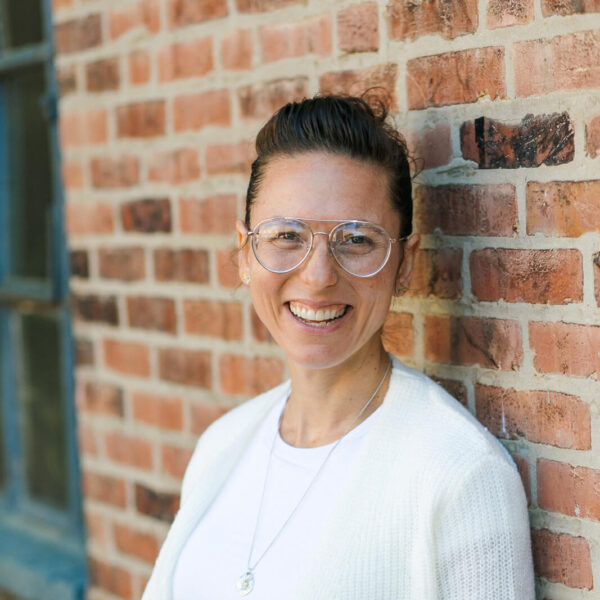
Sydney Ciarrocchi, LPC, CCTP Pennsylvania, New Jersey, Florida, Arizona
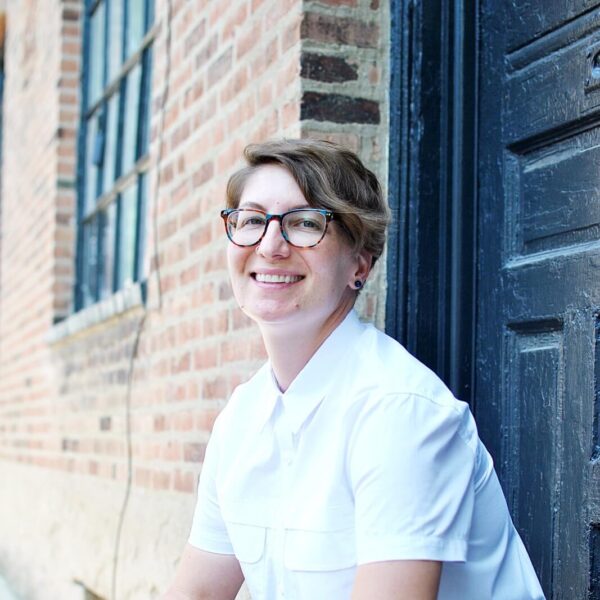
Ashley Gyuriska, LPC Pennsylvania & New Jersey

Julie Belling, LCSW Pennsylvania and Virginia
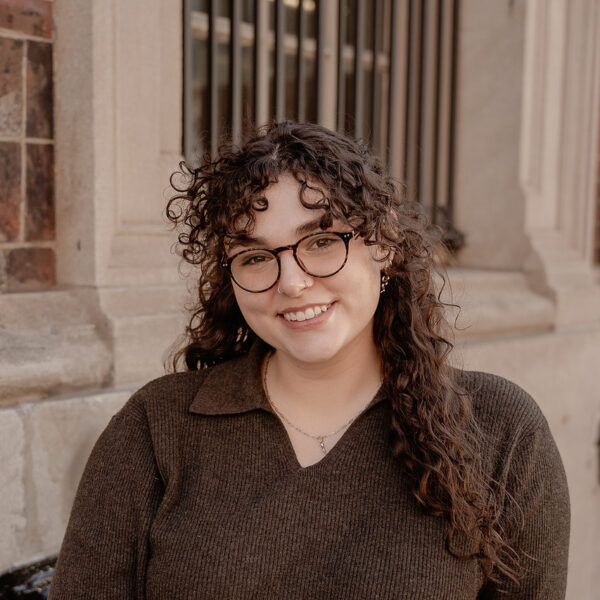
Hannah L. Smith, LCSW Pennsylvania

Dr. Kelly Bradley, PsyD, HSPP Licensed Clinical Psychologist
40 states

Chris Turpyn, LPC NJ, CO, MO, FL, SC, NC, VT
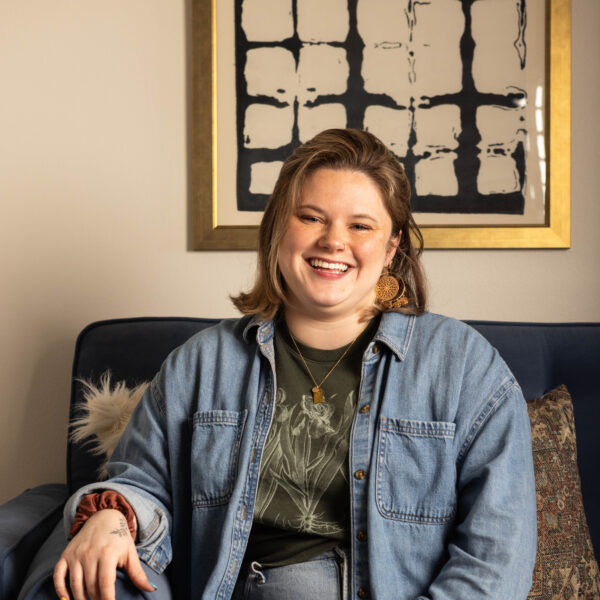
Mary Dever, LSW Pennsylvania & New Jersey
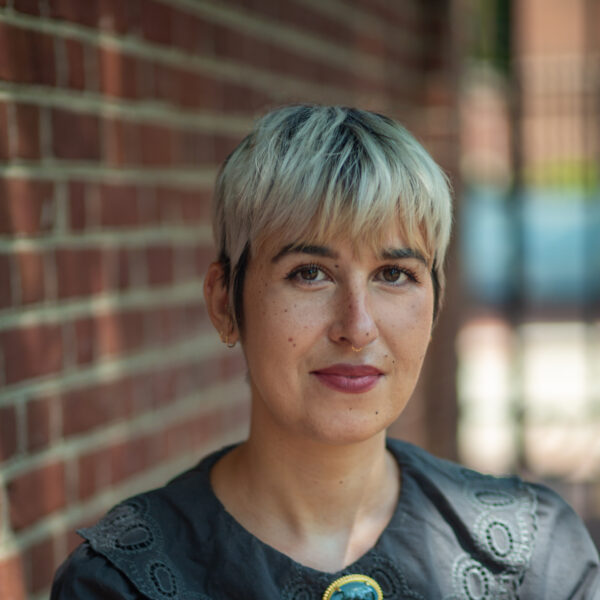
Ashley Mikyska Clinical Intern
Pennsylvania & New Jersey

Lindsay Klenk Clinical Intern
Pennsylvania and New Jersey
Frequently Asked Questions
Yes, we do! We are committed to offering gender-affirming to people of all ages. The Therapy for Women Center affirms each individual’s gender identity regardless of whether or not it differs from the gender they were assigned at birth.
Yes, and you won’t have to educate your therapist or justify your relationship structure before getting to what you actually came for. We work with ethically non-monogamous and polyamorous individuals and couples, and we’re comfortable and experienced with kink communities. Healthy relationships come in many forms, and our job is to support yours, not to question its shape. This applies to individual therapy as well as couples work.
You don’t need one, but there’s a reason so many queer clients choose one anyway. Even when you’re coming to therapy for anxiety, grief, or burnout, it changes the room when you never have to explain your identity, translate your relationships, or quietly scan for your therapist’s reaction. Your identity isn’t the problem you’re bringing in, but it’s part of your context, and an affirming therapist holds that context from minute one. That means all of your energy goes toward the actual work.
What you share in therapy stays between you and your therapist, including your identity and who you’re attracted to, with the standard legal exceptions that exist around safety in every state. Your therapist will walk you through exactly how confidentiality works in your first session, so nothing is mysterious. And if you’re a teen, we’ll explain clearly what stays private at the very start, so you know before you share. One more thing: you don’t need anything figured out before you begin. Questioning is a completely valid place to start therapy, not a prerequisite to finish first.
Yes every single one of our LGBTQ+ specialists have that lived experience as well. When we say “affirming,” we don’t mean a checkbox on a directory profile. We mean therapists who understand from the inside what it’s like to move through a world that wasn’t built with you in mind. You can read their bios and find someone who feels right before you ever bo
This is a real problem in a lot of places, and it’s one of the reasons we offer online therapy across 43 states. You can live in a small town and still work with an affirming therapist who gets it, from wherever you feel safe and comfortable. If you’re not out at home, we can also work with you on scheduling sessions for times and places that protect your privacy. Distance shouldn’t decide whether you get care that actually sees you.
You deserve a place to be yourself and experience unconditional acceptance.
If you’re a member of the LGBTQ+ community and you want a counselor who is accepting, affirmative, and understands your unique challenges, we encourage you to pursue therapy with us. To begin the healing process, you can contact us or book an appointment.
LGBTQ+ Communities and Mental Health | Mental Health America (mhanational.org)
Kind Words From Real Patients