


Therapy for Women
In our practice we center the female experience and specialize in working with women through the vast array of issues unique to them. We work with women on a variety of issues including: adjusting to motherhood, modern dating, body image and disordered eating, chronic stress and burnout, postpartum depression, infertility, deciding whether to have children, and more.
Get StartedWhether it’s hustle culture inviting imposter syndrome, Skinnytok holding you to impossible standards, or having your health concerns dismissed for the hundredth time, there’s a lot to wade through just to live as a woman—let alone thrive. In addition to helping you improve your mental health, counseling is an opportunity to not only work through some of this noise but challenge the long-held beliefs and years of programming women have been put up against.
You deserve to experience real self-care.

True self-care goes beyond the superficial. It’s about turning inward, learning to trust yourself, and exploring what it’s like to live toward your values.
Being a woman means dealing with countless contradictions and double standards in an inherently sexist world. If you stay at home with your kids, you’re simultaneously praised for turning all your attention to them and judged for not contributing financially or having a life outside of children. If you aren’t at home, you’re not doing enough for your family. If you decide not to have children at all, you’re judged for not living with purpose. As women we have infinite expectations to navigate, but one thing is certain—we are told that above all else, we need to put all our energy outward: to our families, careers, societal standards… and none toward ourselves.
With all of this pressure, how are we supposed to even know how we truly want to live?
Whether you see a therapist weekly or every few months, online or in-person at one of our PA or NJ offices, choosing counseling empowers you to take some of that power back. They help you process all that life throws at you, find ways to focus on what’s truly important and learn how to thrive as a woman. These sessions are for you and you alone, but their impact goes far beyond that (though let us be clear: you do not need a reason for therapy other than to take care of yourself). They are powerful acts of self-care that not only benefit you but all of your relationships.
Now more than ever, women need a place where they can escape the clamor of voices telling us who we need to be, how we need to dress, what we need to eat, and how we need to raise our kids. We need somewhere where we can be our full selves and find respite from the pressures of the outside world. That’s what therapy offers.
Get StartedTherapy gives women a space to find their own voice and live life to the fullest.
At Therapy for Women in Philadelphia (and in 42 states online), our mission is to give you tangible tools and skills that you can use to manage your mental health effectively. We want you to feel seen, heard, and understood, but we also want to empower you to achieve your hopes and dreams. We’ll help you make room for self-care, improve your sense of self-worth, and reclaim your voice.
We don’t gloss over the female experience. We support you through transitions like family planning, pregnancy and motherhood, career changes and burnout, perimenopause, menopause, and so many more challenges that we typically have to face alone. Our therapists specialize in treating women’s issues and we understand many of the ways that these issues overlap with anxiety, depression, trauma, eating disorders, OCD, and other mental health challenges. Many of our specialists are also perinatal-certified, so our approach to counseling can help you work through infertility, bond with your baby, manage the mental load of motherhood, and deal with any other challenges related to the perinatal period as well.
Get StartedWhat to expect in women’s counseling sessions
Therapy looks different from client to client, as we recognize that each woman is unique and deserves a treatment plan that reflects that uniqueness. Generally, we’ll start by getting to the root cause of your struggles so that we can understand how you got to where you are today. Then we’ll focus on practical skills, such as grounding and mindfulness, that you can draw from to manage your symptoms in day-to-day life. Some of the main approaches that our practice uses are listed below:
DIALECTICAL BEHAVIORAL THERAPY (DBT) —This approach teaches skill-building in four areas: mindfulness, emotional regulation, distress tolerance, and interpersonal effectiveness. Most of the DBT skills that we utilize are relationship-oriented, focused on helping you set boundaries, advocate for your needs, and improve your communication.
ACCEPTANCE AND COMMITMENT THERAPY (ACT) —The goal of ACT is to help you accept the things you can’t control and commit to focusing on living a life that aligns with your values. When you are in tune with your values, it’s easier to feel more confident in who you are.
INTERNAL FAMILY SYSTEMS (IFS) — All of our personalities are made up of many different parts. IFS can help you get in touch with all of your parts, allowing you to understand yourself on a deeper level and heal the parts of your personality that were wounded by trauma.
By drawing from whatever combination of approaches suits you best, our therapists are confident that we can help you learn how to truly take care of yourself, build your confidence, and be more present in your life.
Get StartedMeet Our Peri/Postpartum Therapists

Fernanda Valentin, LMFT

Valerie Rivera, LPC Can conduct sessions in Spanish!
Pennsylvania

Erika Pranzo, LPC New Jersey, Pennsylvania, Texas
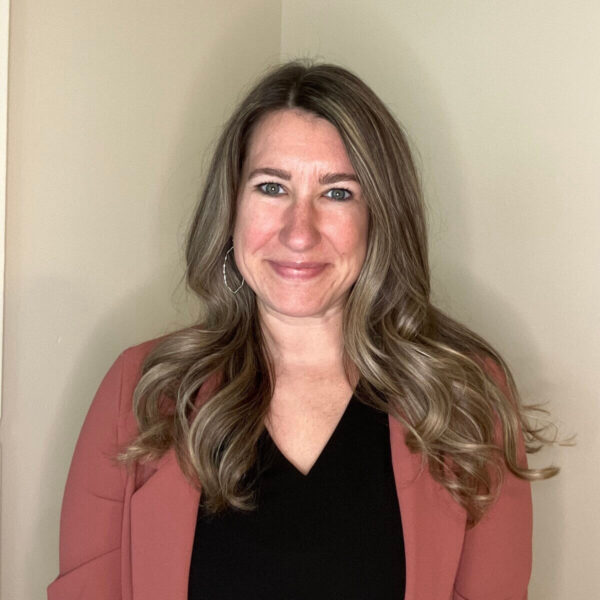
Julia Johnston, LPCC, LICDC Ohio, Georgia, Minnesota, Florida

Beth Krieger, LAMFT Pennsylvania

Jules Choe-Castillo, LSW Pennsylvania

Megan Gaughan, LPC Pennsylvania
Frequently Asked Questions
As our practice name implies, women’s issues are our specialty. We have therapists who specialize in providing counseling for infertility, postpartum depression, motherhood, child loss, domestic violence, relationship issues, eating disorders, self-esteem, trauma, and more. We created this practice with the understanding that women face unique issues and want a safe space specific to them.
Looking for a therapist who specializes in issues relating to pregnancy and motherhood? Learn more about our approach to perinatal therapy here.
At Therapy for Women, we tailor treatment to your needs and goals. There isn’t an exact timeframe for therapy; many people find relief after just a few sessions, while others need longer to overcome their issues. Regardless of how long therapy takes, we encourage you to be kind to yourself and practice self-compassion, since everyone heals at their own pace.
Therapy is an investment in the most important thing about you: your mental health. When your mental health is strong, every other area of your life generally follows suit. What’s more, when people put off going to therapy, they usually end up having to spend more money on therapy later on since their symptoms generally compound over time. This is why it’s so essential to be proactive and take care of your emotional wellbeing sooner rather than later.
Women's Mental Health Resources




Kind Words From Real Patients